Judith G. Levy
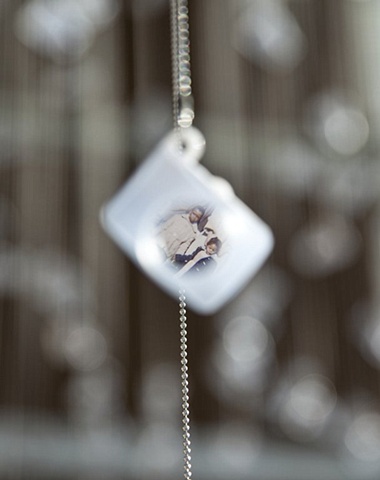
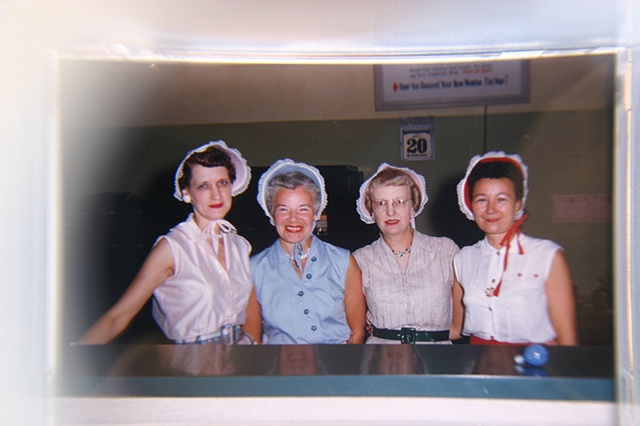
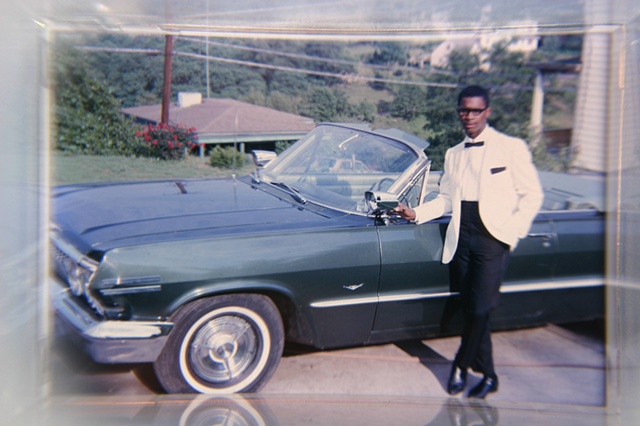
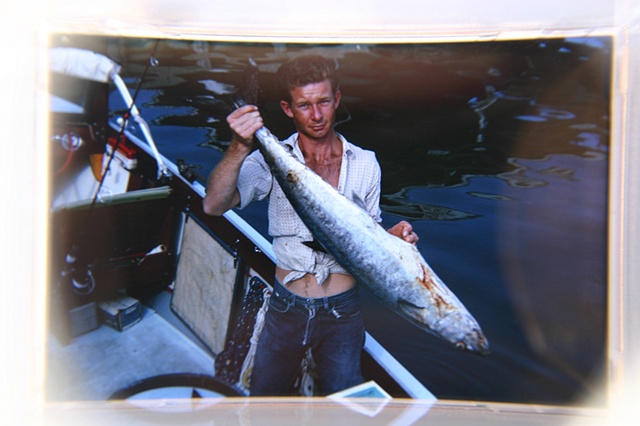
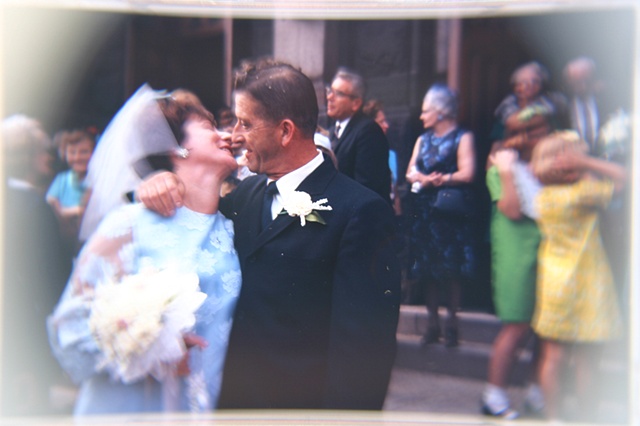
Memory Cloud Memory Cloud Memory Cloud Memory Cloud Memory Cloud Memory Cloud Memory Cloud Memory Cloud Memory Cloud Memory Cloud Memory Cloud Memory Cloud Memory Cloud Memory Cloud Memory Cloud Memory Cloud Memory Cloud Memory Cloud Memory Cloud, detail, found image Memory Cloud, detail, found image Memory Cloud, detail, found image Memory Cloud, detail, found image Memory Cloud, detail, found image Memory Cloud, detail, found image Memory Cloud, detail, found image Memory Cloud, detail, found image Memory Cloud, detail, found image Memory Cloud, detail, found image Memory Cloud, detail, found image Memory Cloud, detail, found image Memory Cloud, detail, found image Memory Cloud, detail, found image Memory Cloud, detail, found image Memory Cloud, detail, found image Memory Cloud, detail, found image Memory Cloud, detail, found image Memory Cloud, detail, found image Memory Cloud, detail, found image Memory Cloud, detail, found image Memory Cloud, detail, found image Memory Cloud, detail, found image Memory Cloud, detail, found image Memory Cloud, detail, found image Memory Cloud, detail, found image Memory Cloud, detail, found image Memory Cloud, detail, found image Memory Cloud, detail, found image Memory Cloud, detail, found image
Memory Cloud
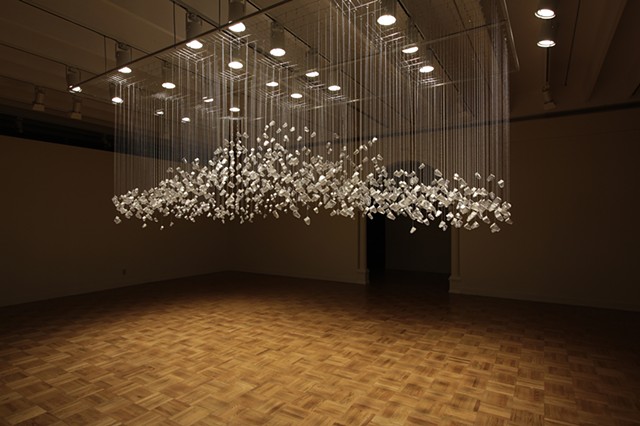
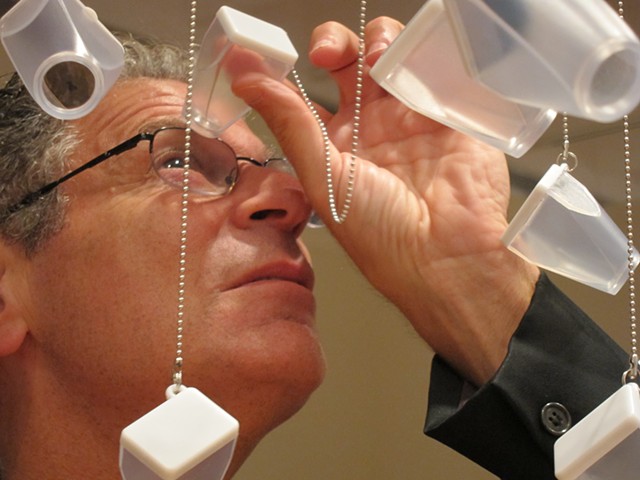
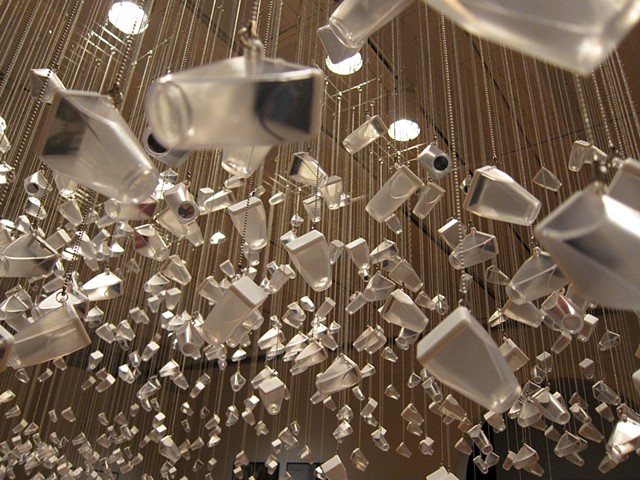
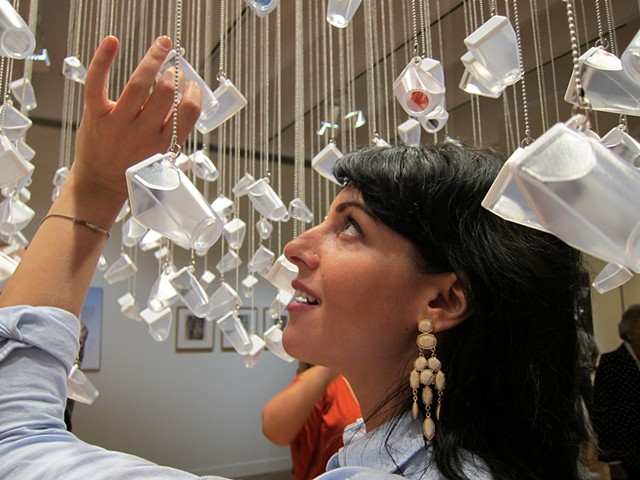
Memory Cloud is an interactive installation that was commissioned by The Indianapolis Museum of Art for the Efroymson Family Entrance Pavilion.
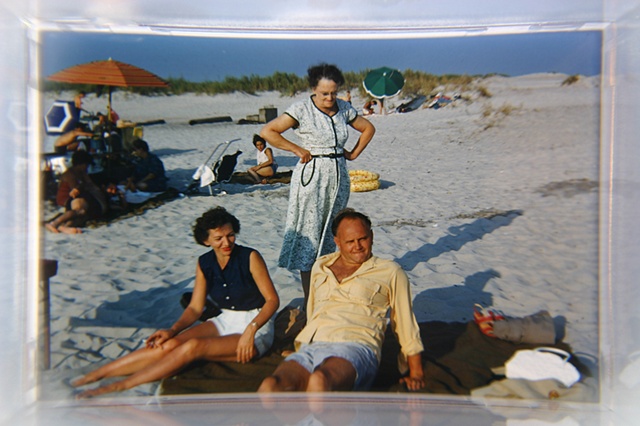
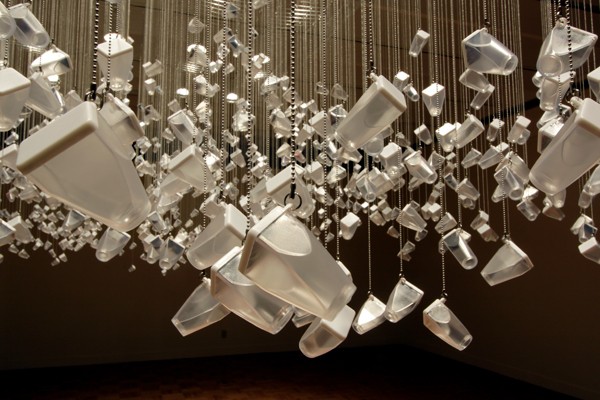
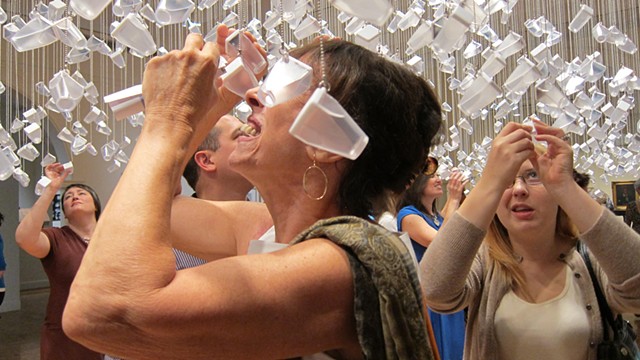
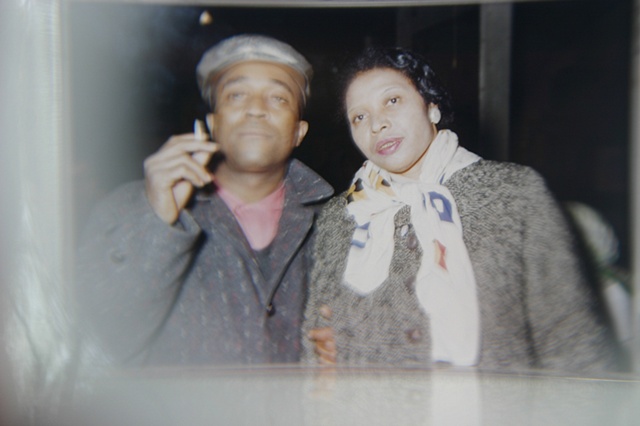
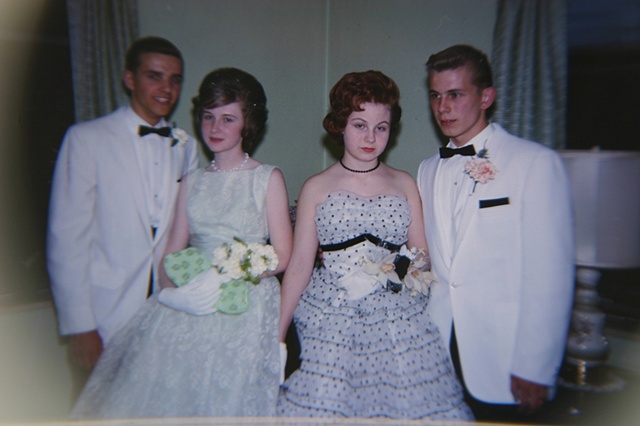
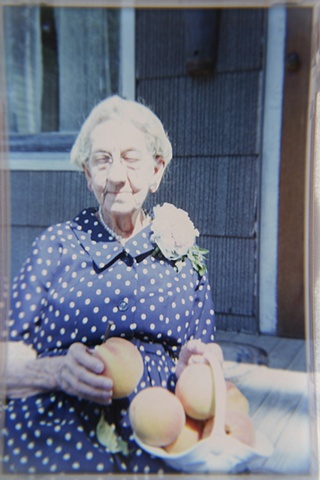
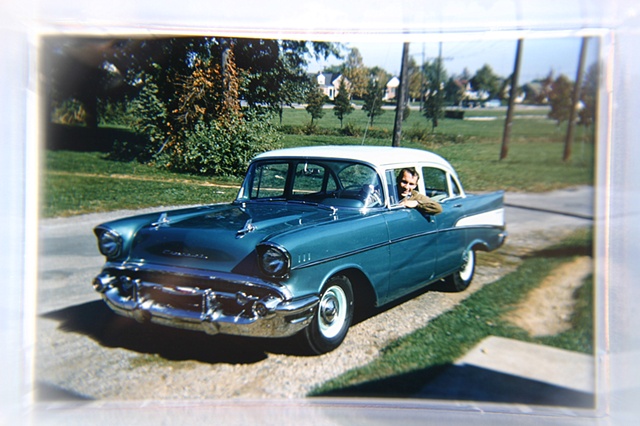
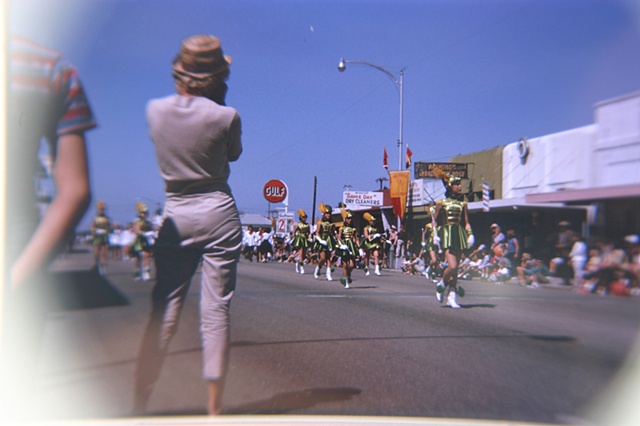
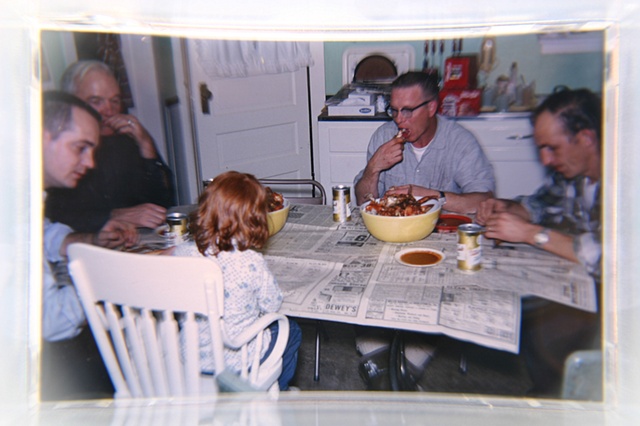
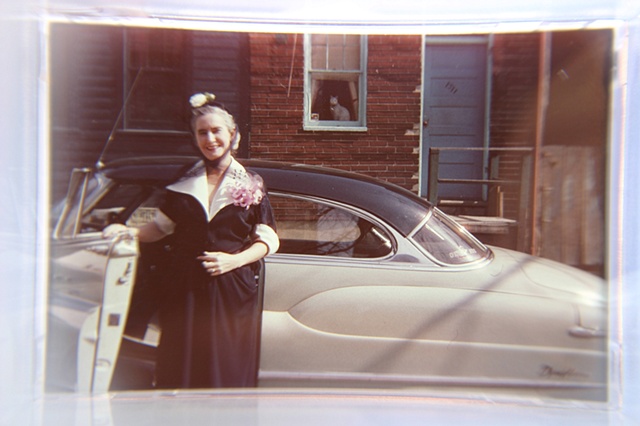
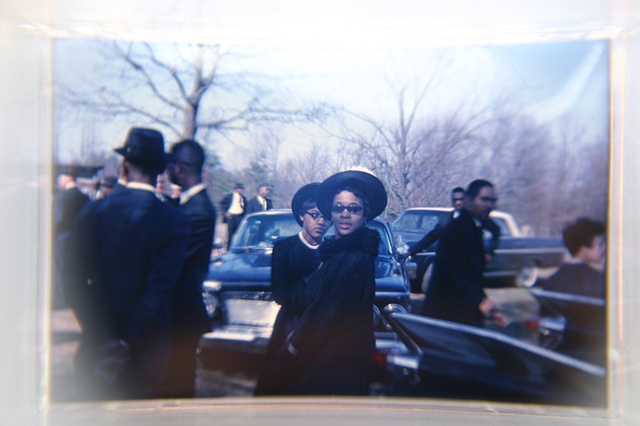
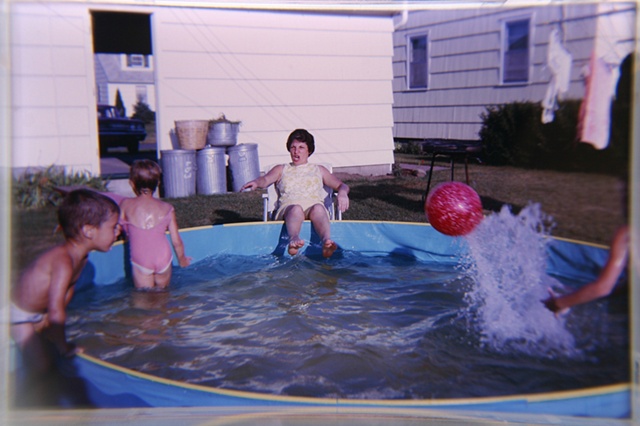
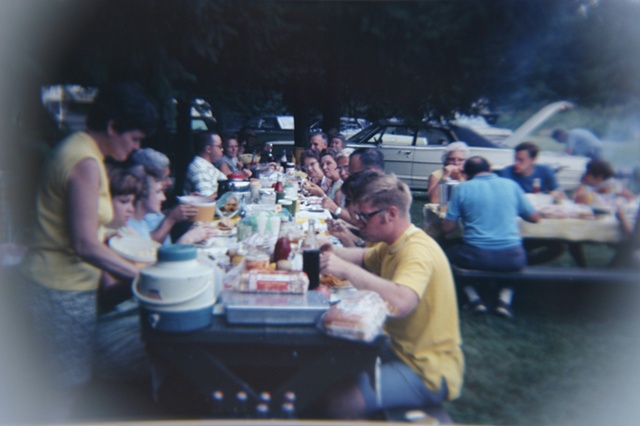
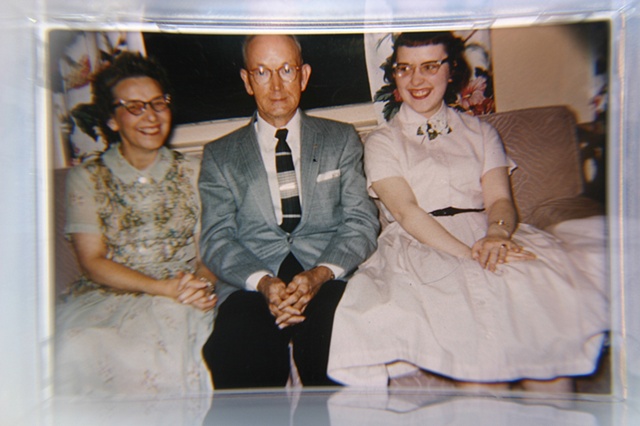
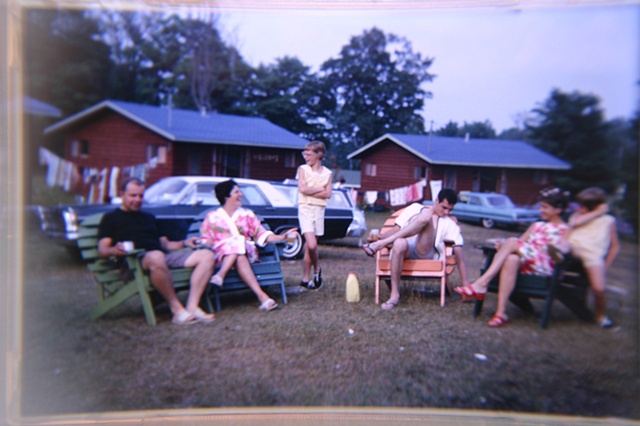
Memory Cloud is comprised of hundreds of small, plastic, souvenir viewers that each hold a unique 35mm slide. This first souvenir viewer that I'd ever seen was the one that was given to me to commemorate a family visit to a dude ranch, when I was a teenager. The slides in this work are from my collection of thousands of found images of Midwest life taken from the 1950's to the 1970's. The plastic viewers hang on metal chain to form a very large cloud. This installation explores how photography helps to capture and preserve memories and provokes museum attendees to retrieve memories of their own. Some of the plastic viewers are out of reach and represent memories that cannot be recalled, while other plastic viewers allow partial glimpses of the photos inside to acknowledge the elusive nature of some memories. The viewers that are within reach can be held up to the light to see clear images inside, and they honor the individual experience of remembering.

The effort to create memories via photographs acknowledges our desire to transform experience into something that can be retrieved at a later date. Photographic images, even those depicting the most ordinary events, play a significant role in creating individual identity and affirming cultural heritage. Memories often become more powerful, when they are shared with others. Many of the photos demonstrate how ordinary moments feel extraordinary to the person taking the picture, even if the photo is badly lit or poorly composed.

The pleasure and pain of remembering remain an integral part of human experience. We grieve memory loss, both in ourselves and in those we love, in the belief that forgetting robs us of our humanity.
BACK TO PORTFOLIO